
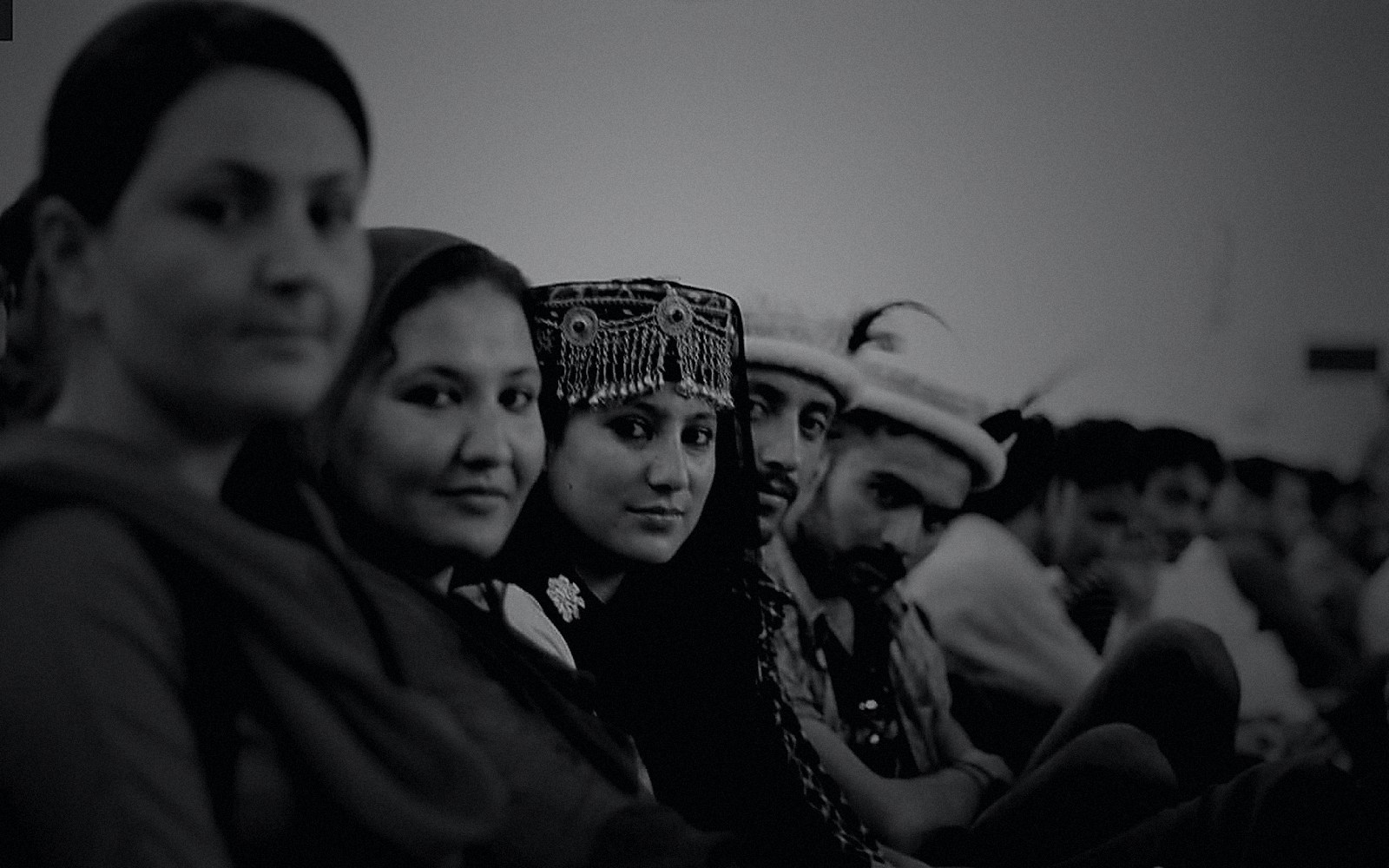
Youth for a Peaceful Society
According to UNFPA, there are more than 1.8 billion young people in the world today, 90% of whom live in developing countries. Even in Pakistan, according to a UN study, 64% of the population is under the age of 30 and 29% is between the ages of 15 and 24, which is a vital factor in social change and development, especially in developing countries. But why don't a large number of the denizens of developed countries become a force for reform and peaceful society?
Tolerance and acceptance are the two major elements of a non-violent society. These help people in understanding each other’s perspectives while fostering harmony in a society. Meanwhile, empathy is considered a prerequisite in the development of a society. One must get into others' shoes to understand the real picture and support each other. But why must youth be a vital part of a peaceful society? Let’s discuss this below.
The reality facing this huge bulk of society is the main barrier in their commitment to creating a peaceful society. The community instability in developing countries with economic instability, high unemployment, increased exposure to health risks create barriers in youth participation. Peer pressure and social taboos also hinder the path towards dreaming of a better future for the youth. The increased consumption of drugs and high-level mental health risks without proper counseling in developing countries has put the lives of a whole generation at stake. Meanwhile, lack of proper direction and resources to overcome all the challenges are the key barriers, but is there a way out?
The role of the state is vital in tackling these issues where various scholars have put forward their recommendations. Stephen S. and Marina M. emphasize adopting a positive youth development approach that takes into consideration the positive attributes and strengths of youth instead of their weaknesses. On a personal level, analyzing the pros and cons of the problem is necessary as every cloud has a silver lining. But being positive doesn't mean we must neglect the other side. If a glass is half-filled one has to ponder over why the other half is empty and try filling that. But if the problem has some bigger cons, , we can adopt different strategies by consulting with the right people, by taking close friends and family into the loop. But if we see that the problem's solution is not in our hands, we can always let it go as life moves on.
The final word, youth is the vital segment of society that can’t be neglected. States and institutions must bring reforms focusing on the 3 E’s ‘Empowerment’ ‘Engagement 'and ‘Encouragement’ to use the potential of the youth in building a peaceful and inclusive society.